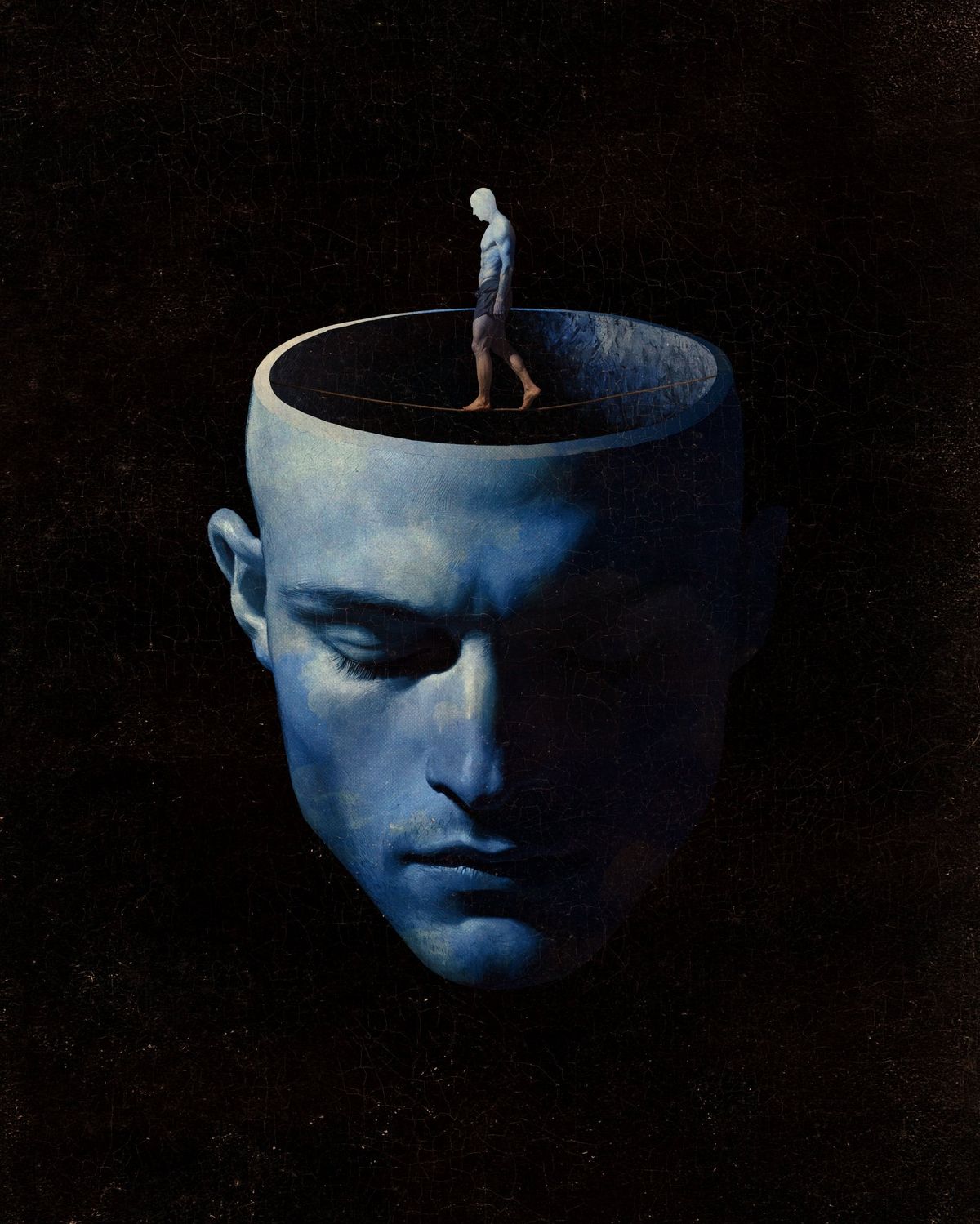

The Beauty of Living
01. John Keats
Work: Endymion: A Poetic Romance, Book I
Passage:
“A thing of beauty is a joy for ever.”
Why it belongs here:
Keats gives beauty the weight of permanence. Not possession, not comfort, not triumph: beauty as a lasting pulse against decay.
02. Henry David Thoreau
Work: Walden, “Conclusion”
Passage:
“Morning is when I am awake and there is a dawn in me.”
Why it belongs here:
This is not merely about the start of a day. It is about inner awakening: the moment life becomes visible again from within.
03. Ralph Waldo Emerson
Work: Nature, Introduction
Passage:
“The sun shines to-day also.”
Why it belongs here:
A plain sentence, almost childlike, and yet immense. Emerson reminds us that the world keeps offering itself, even after our private collapses.
04. Walt Whitman
Work: Leaves of Grass, “Song of Myself”
Passage:
“I exist as I am, that is enough.”
Why it belongs here:
Whitman turns existence itself into an affirmation. The sentence has no apology in it. It breathes like someone standing fully inside his own life.
05. Rabindranath Tagore
Work: Gitanjali, Poem 16
Passage:
“I have had my invitation to this world’s festival, and thus my life has been blessed.”
Why it belongs here:
Tagore makes life feel like a sacred gathering. To be alive is not merely to endure the world, but to have been invited into it.
06. Kahlil Gibran
Work: The Prophet, “On Work”
Passage:
“Work is love made visible.”
Why it belongs here:
Gibran rescues work from mere exhaustion. At its best, work becomes evidence that love has passed through the hands.
07. Epictetus
Work: The Enchiridion, VIII
Passage:
“Wish them to happen as they do happen, and you will go on well.”
Why it belongs here:
This is not passive surrender. It is the severe grace of consenting to reality before trying to live inside it well.
08. Friedrich Nietzsche
Work: Thus Spake Zarathustra, “Zarathustra’s Prologue”
Passage:
“One must still have chaos in one, to give birth to a dancing star.”
Why it belongs here:
Nietzsche refuses a sanitized life. He gives disorder a purpose: not as ruin, but as the hidden weather from which creation may rise.
09. Marcus Aurelius
Work: Meditations, Book IV
Passage:
“Nowhere can a man find any retreat more quiet and more full of leisure than in his own soul.”
Why it belongs here:
Marcus Aurelius places sanctuary inside the self. The beautiful life is not always elsewhere; sometimes it begins with returning inward.
10. Oscar Wilde
Work: Lady Windermere’s Fan, Act III
Passage:
“We are all in the gutter, but some of us are looking at the stars.”
Why it belongs here:
Wilde does not deny the gutter. That is the strength of the line. Beauty begins when, even from below, the eyes still choose the stars.
Authors and Works
- John Keats — Endymion: A Poetic Romance
- Henry David Thoreau — Walden
- Ralph Waldo Emerson — Nature
- Walt Whitman — Leaves of Grass
- Rabindranath Tagore — Gitanjali
- Kahlil Gibran — The Prophet
- Epictetus — The Enchiridion
- Friedrich Nietzsche — Thus Spake Zarathustra
- Marcus Aurelius — Meditations
- Oscar Wilde — Lady Windermere’s Fan
This is a curated reading notebook, not a critical edition. The passages were selected from classic public-domain works and kept brief to preserve their force, clarity, and usefulness as literary fragments.