

Two or three years ago the company needed more powerful PCs, and four Dell desktops from around 2011 or 2012, each with 4 GB of RAM, were on their way out. They got Debian instead of a trip to the scrap pile. Later they became a small Proxmox cluster, four nodes linked to each other, which was mostly a way to learn how a cluster behaves. This came before my interest in small software with a minimal architecture.
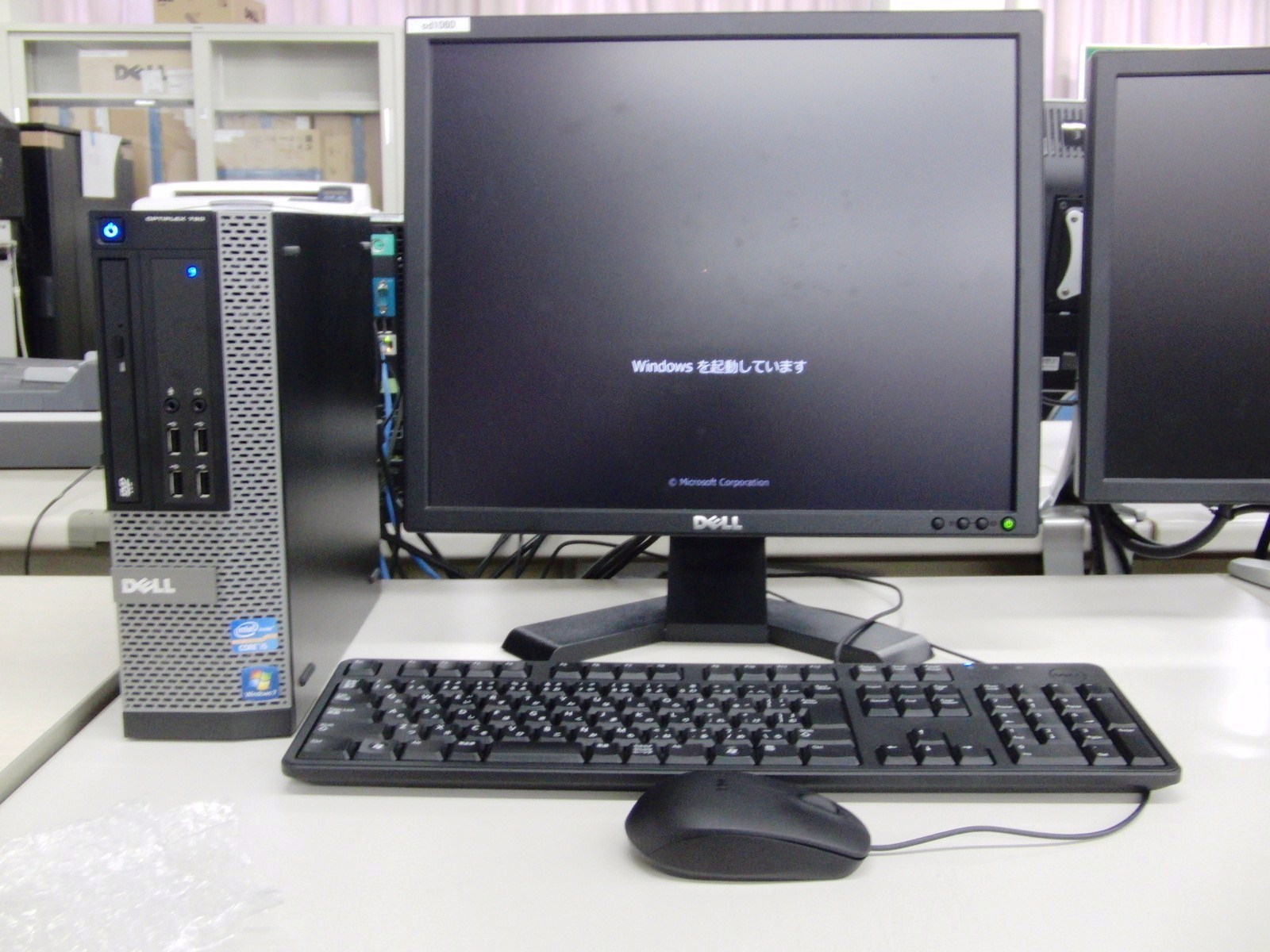
The four machines are still in use as a test bench. They have held clusters built just to study them, experiments with network protocols and VPNs, and minimal Linux distributions such as antiX, which ask for even less than these old Dells have.
For years I liked absurdly big systems, with resources to spare, like 192 GB of DDR5 RAM. That changed over the last three years, and these four Dells were where it started. With servers, at least, a modest machine can give impressive results once someone takes the time to look at it closely: measuring when each cron job runs so they don't all start at the same minute, adjusting the BIOS, the kernel and the CPU settings, and watching the load until it stays low. A low load is what I look for now.
Permacomputing gives a name to this way of thinking. It takes its idea from permaculture and applies it to computers: use what already exists, make it last, and stop treating newer hardware as the answer to every problem. Its principles fit on one page, and two of them describe what happened to these four Dells. One is "Care for all hardware, especially the chips", because making a new chip costs a lot.1 The other is "(Almost) everything has a place", which treats old and unusual machines as things that can still be reused, as long as they get a job that fits them.
Notes
-
In the words of the principle, chip production is resource-intensive and creates e-waste. The whole list has ten principles and takes a few minutes to read. ↩