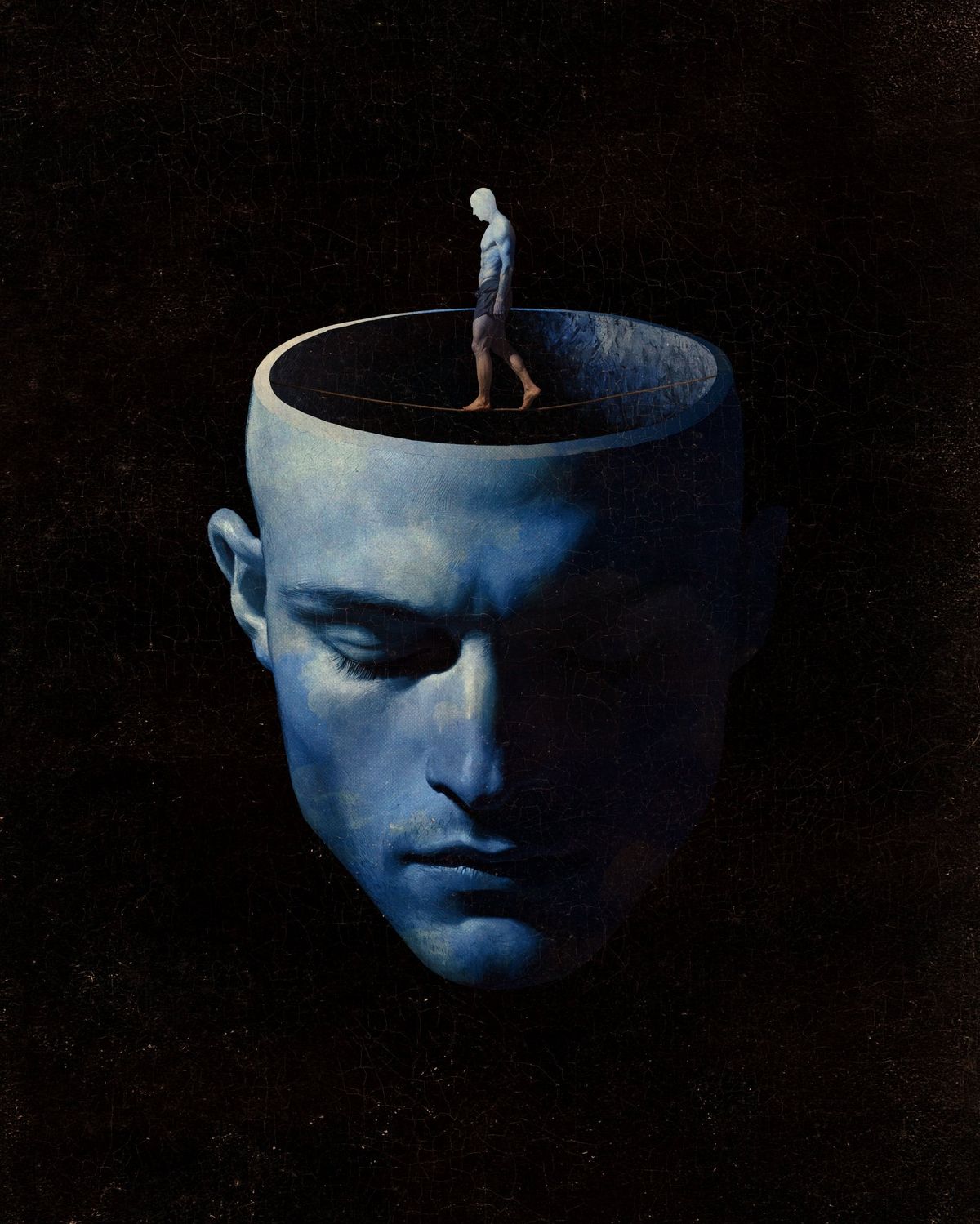

Movie: La migliore offerta (The Best Offer)
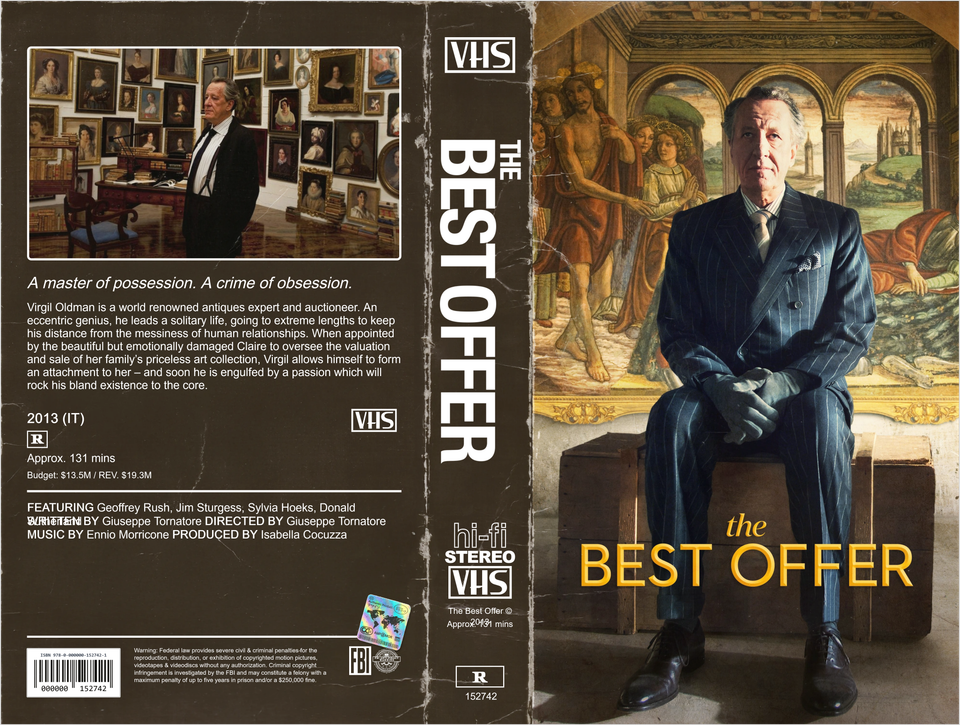
I loved The Best Offer, but not exactly for the reason I expected when I started watching it. For much of the film, I was caught up in the anticipation. There is something strange from the very beginning, a feeling that some mechanism is working behind the walls and that, at some point, all those little pieces are going to fall into place. The film knows this and plays with us constantly. A door that will not open, a woman who never appears, pieces of an old machine discovered one by one, conversations that seem to be hiding something. Everything keeps feeding that uneasy certainty that there is an answer waiting somewhere.
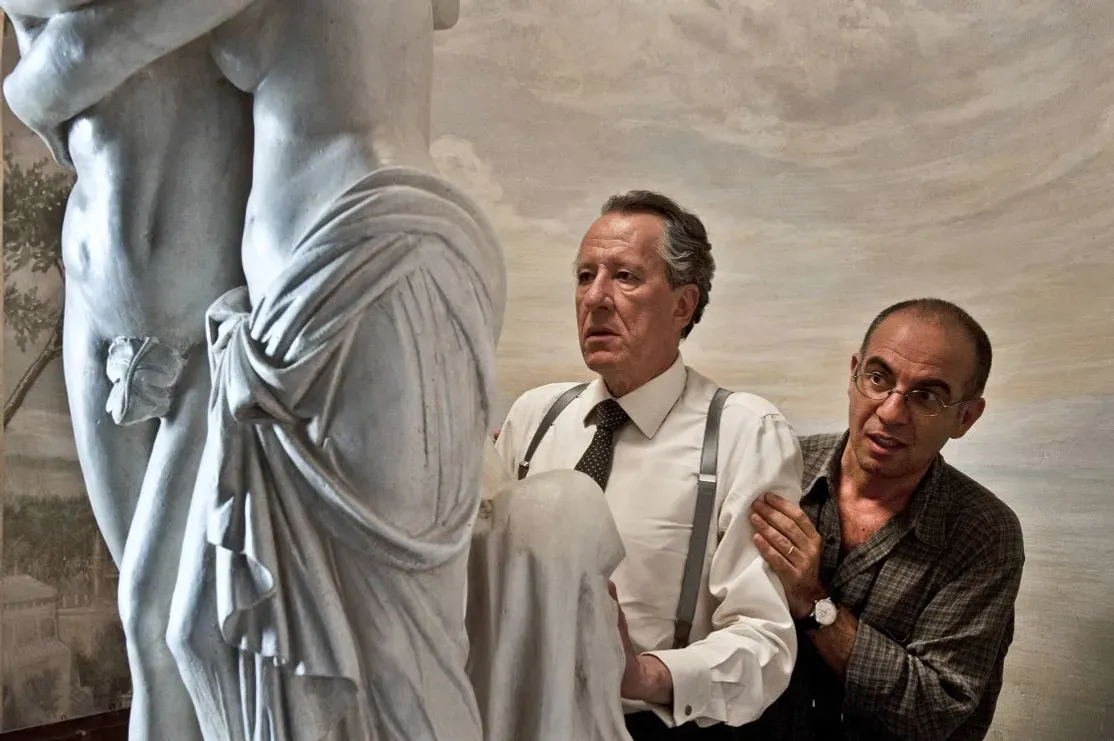
Virgil Oldman is a wonderful character precisely because he seems to have spent his entire life trying to eliminate any possibility of surprise. He understands the value of things, recognizes forgeries, knows how to notice details that others miss, and has turned his own existence into a kind of perfectly organized collection. Even his relationship with women exists in a safe, silent, motionless form, through those portraits hidden in his secret room. Women who cannot reject him, abandon him, or disappoint him. They simply remain there.
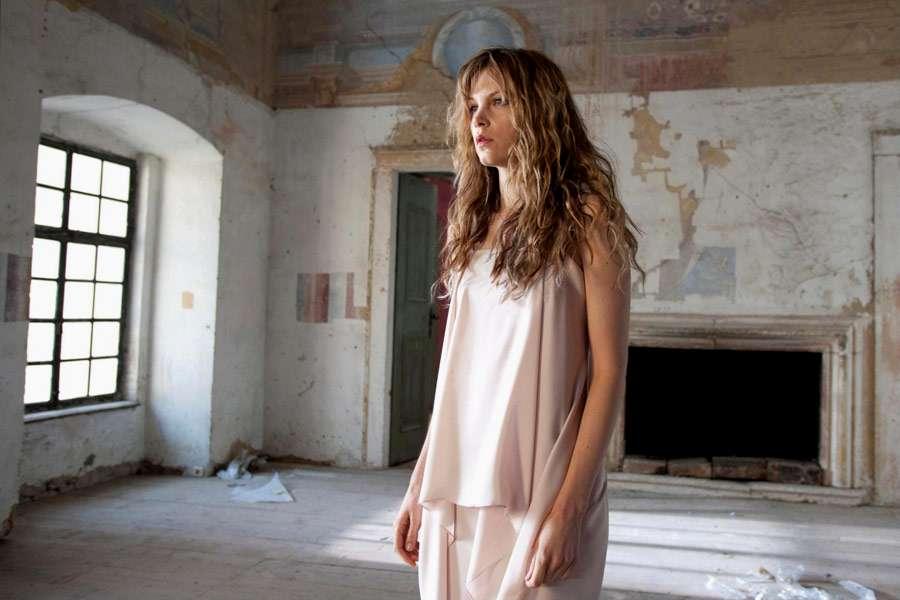
Then Claire appears.
And perhaps that is why the entire first half worked so well for me. It is not just the mystery of who she is or why she hides. It is watching a man who has spent his whole life protected by his own sense of control slowly begin to desire something he cannot appraise. Virgil knows how to determine whether a painting is worth millions, he can recognize the hand of a forger, he can look at a work of art for a few seconds and notice what everyone else has overlooked. But when he has to assess a person, he becomes almost childlike.
There is a cruel irony in that. He built his life around the idea of authenticity, only to end up unable to recognize what is false when it finally matters.
As I watched, I wanted answers. I wanted to know what was behind that wall, who Claire really was, why Robert seemed so willing to help him, what those mechanical pieces meant, how far Billy was involved in the whole thing. It is the kind of film that makes you start suspecting everyone while, at the same time, desperately hoping your suspicions are wrong. You notice some things, doubt others, but there is a kind of irrational hope that the film will not destroy what Virgil has finally found.
And then it does.
What struck me most about the ending was not the revelation. It was the emptiness.
When everything is over, there is none of that comfortable satisfaction of a puzzle finally solved. The pieces do fit together, yes, but what they form is something horrible. Virgil returns to that room with his portraits and finds the walls empty. That scene hit me harder than any explanation ever could. They did not just steal his collection. They stole the entire structure upon which he had built his existence.
And there is something particularly perverse about the fact that they managed to do it only after making him lower his defenses. At the beginning, Virgil is an unpleasant man, arrogant, cold, methodical. Slowly, however, we see something emerge in him that probably never existed before. He becomes ridiculous, insecure, in love, jealous, happy. For the first time, he seems truly human. And it is precisely this newly discovered humanity that allows him to be destroyed.
That is where the film stops being merely a story about a con.
If it were simply a story about people deceiving a wealthy man in order to steal his collection, it would be clever, perhaps even entertaining, but it would end with the revelation. What remains afterward is much worse: the doubt over whether everything he experienced was entirely false.
Because a lie can produce a genuine emotion.
Claire may have been playing a role. Robert may have helped construct that world. Billy may have known more than he let on. The coincidences may have been carefully manufactured. And yet, what happened inside Virgil was not an act. His love existed. His fear existed. His happiness existed. His transformation existed.
Perhaps that is the most beautiful cruelty of The Best Offer. Virgil, who spent his life distinguishing originals from forgeries, ends up discovering in the worst possible way that the two can become intertwined. A forgery can contain some truth, while something that seems absolutely genuine may have been constructed to deceive.
And then comes that ending.
Virgil waiting.
That destroyed me.
After everything, he still leaves an empty chair. There is still a small possibility inside him that Claire might appear. Maybe he knows she will not. Maybe he understands perfectly well what they did to him. But he waits.
I did not feel angry when the film ended. Nor did I feel that satisfaction of thinking, “now I understand everything.” I felt a very strange sadness, almost physical. A silence. Like walking into a house where someone lived for decades and discovering that all the furniture has been removed.
It is rare for a film to end and leave you with a feeling that is not surprise, joy, sadness, or outrage, but absence.
That is what The Best Offer left me with.
First, two hours of anticipation. The constant feeling that there was something just beyond the next door, the next conversation, the next piece to be found.
Then, finally, the answer.
And when it comes, you realize you would rather have kept waiting.